2026-08-26 · Ally Bennett
After the March 10 Hail and Wind: How to Inspect a South Bend Roof
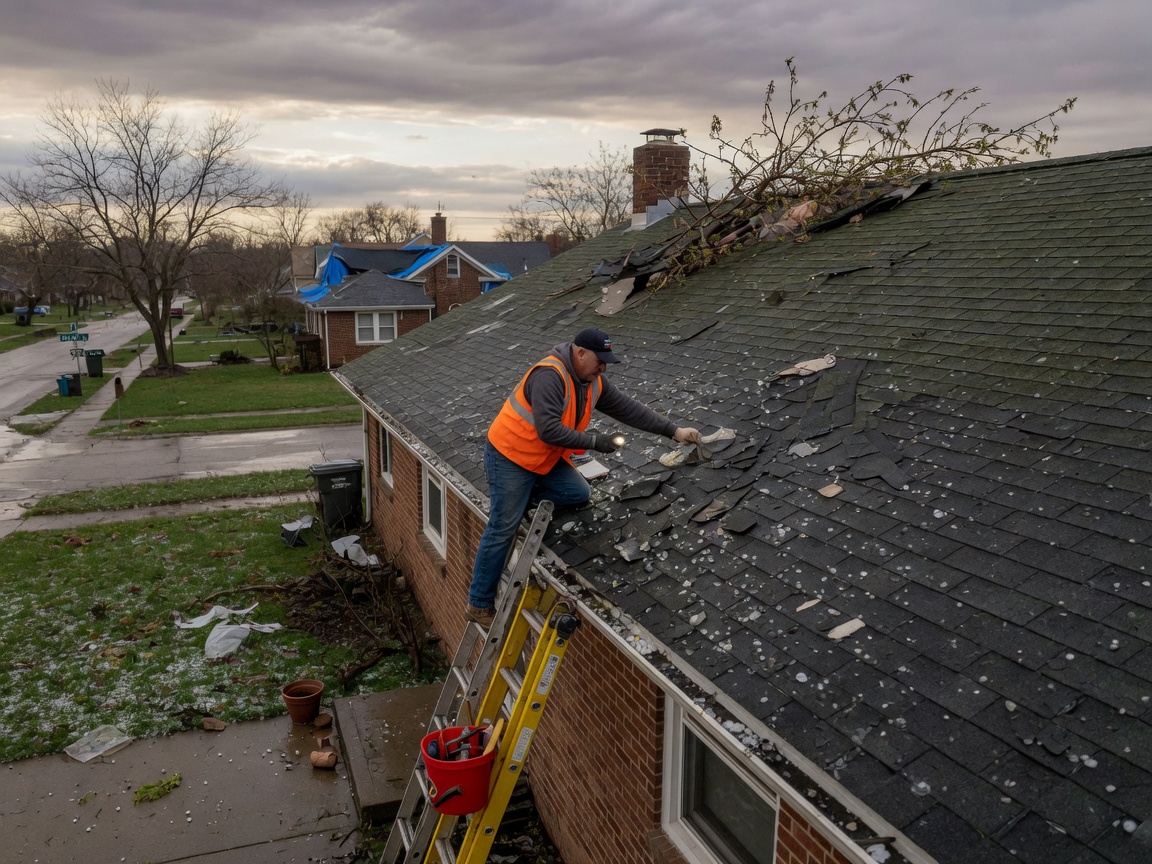
After the March 10 hail and wind event that ABC57 covered with photos from Topaz St and Opal St, start your South Bend roof inspection on the south-facing slopes where hail impact shows first as granule loss or small dents in asphalt shingles. Walk the perimeter on the ground with binoculars before climbing, noting any missing pieces or cracked tabs that line up with the storm path reported that day.
Spotting Hail Marks on Shingles
Hail from the March 10 storms left visible bruising on older shingles across South Bend neighborhoods. Focus first on areas where the roof faces open sky without tree cover, as those surfaces took the direct hits. Run your hand lightly over suspect spots to feel for soft spots where the mat has been crushed. Check the gutters for piles of granules that have washed down since the event. If you find concentrated damage in one section, mark it with tape and move to the next slope. Older roofs in Rum Village often show these signs faster because the shingles have already lost flexibility from years of lake-effect freeze cycles.
Checking Wind Damage at the Edges
High winds on March 10 lifted shingles along the eaves and ridges in several blocks near Opal St. Look for lifted corners or nails that have pulled loose, especially where flashing meets the wall. Pay attention to the north edges where wind can drive rain under the tabs even without hail. In River Park homes along the St. Joseph River, the extra moisture from the water adds weight that can pull loosened shingles further out of place. Compare both sides of the ridge vent to see if one side shows more displacement than the other.
Inspecting Flashing and Penetrations
After wind-driven rain, check every pipe boot, skylight curb, and valley flashing for gaps or pulled sealant. March 10 brought enough rain to test these points immediately. Shine a flashlight into the attic on a sunny day and look for new water stains around the chimney or bathroom vents. Homes near Howard Park with older step flashing often develop small openings that only appear after sustained wind. Note any caulk that has cracked or pulled away from the metal.
When to Schedule a Professional Roof Inspection
If you locate granule loss, lifted tabs, or new attic stains, contact a local crew for a full roof inspection rather than attempting repairs from a ladder. Storm damage that reaches the underlayment needs prompt attention before the next round of lake-effect moisture arrives. Many South Bend homeowners pair this check with a review of their storm damage roof repair options once the inspection confirms the extent. The same storms that hit Topaz and Opal also left lingering ice concerns; readers who want to understand how winter events compound spring leaks can read the related post on ice dams after South Bend's January snow.
Recording Findings for Insurance
Photograph every marked area from multiple angles and note the date and time. Keep a simple log of which slopes show the most damage and whether any interior ceilings show discoloration. This record helps when discussing next steps with your insurance adjuster or a roofing contractor familiar with St. Joseph County claims. Focus on the specific March 10 date so the timeline matches the weather reports from ABC57.